

Your attic plays a critical role in protecting your home from the elements. However, this area often gets overlooked by homeowners. Because they rarely enter their attic, water damage can quietly develop for weeks, or even months, before it becomes obvious inside your living space.
Below, we will discuss how to recognize the warning signs of attic water damage, so you can address small problems before they turn into costly structural repairs.
Why Attic Water Damage Happens
Attic water damage is usually caused by cracked or failed flashing, damaged shingles, poor ventilation, clogged gutters, ice dams, condensation, or plumbing leaks. Even small openings in roofing materials can allow moisture to seep in during heavy rain or snowmelt.
Over time, extra moisture can soak into insulation, weaken wood structures, and create the ideal environment for mold or mildew growth. Regular attic inspections, especially after storms or seasonal weather changes, can help you catch problems early.
Musty or Damp Odors
When water starts seeping into your attic, it may produce a musty smell. Damp wood, insulation, and drywall can trap moisture and produce odors long before visible damage appears.
If your attic smells earthy or damp when you enter, you could have a slow roof leak, condensation caused by poor ventilation, or hidden mold growth.
Even if everything appears dry at first glance, that smell often indicates moisture hiding somewhere in the structure.
Dark Stains on Wood or Insulation
Water that seeps into your attic often leaves stains on wood rafters, roof decking, or insulation. These stains may appear as dark brown or yellow patches, circular water marks, or discolored streaks along beams or sheathing.
Stains may feel dry if the leak isn’t active, but they still indicate water has penetrated the area at some point.
Damp or Compressed Insulation
Insulation is designed to stay fluffy and dry. When it becomes wet, it compresses and loses its ability to regulate temperature.
Wet insulation may look damp, heavy, matted, or clumpy. It may also cause brown or yellow discoloration or mold growth on insulation surfaces. You may also discover higher energy bills, as your house is no longer insulated correctly.
Mold or Mildew Growth
Attics provide a dark, warm environment where mold thrives once moisture is present. If you have early mold growth, you may see black, green, or white spotting on wood surfaces, fuzzy or powdery patches, or dark discoloration spreading along rafters or roof boards.
If you discover mold, you need to address not only the growth itself but also the underlying source of attic water damage.

Dripping or Frost on Nails and Metal
During colder months, warm indoor air rises into the attic and creates condensation on nails, metal fasteners, and roof components. Over time, this moisture can drip onto insulation and wood surfaces
If you notice rust forming on nails, frost buildup in the winter, or water droplets on metal surfaces, you may be dealing with poor attic ventilation rather than a roof leak.
Peeling Paint or Water Stains on Ceilings
Sometimes, you may notice attic moisture inside your home before the attic itself. Watch for ceiling stains or yellowish rings, bubbling or peeling paint, or sagging drywall. These signs could indicate that water has already traveled from the attic into the living space below.
Damaged Roof Decking
If the leak has been present for a long time, the wooden roof decking may begin to soften or warp. When inspecting your attic, look for warped or sagging wood panels, soft spots when gently pressed, or crumbling or deteriorating wood fibers.
Structural damage like this requires immediate attention to prevent larger roof issues.
Protecting Your Home from Attic Water Damage
Preventive maintenance is the best way to protect your attic — and the rest of your home. Consider these simple steps:
- Inspect your attic at least twice a year
- Check your roof after major storms
- Keep gutters clean and properly draining
- Keep attic vents clear and functioning
- Repair roof damage promptly
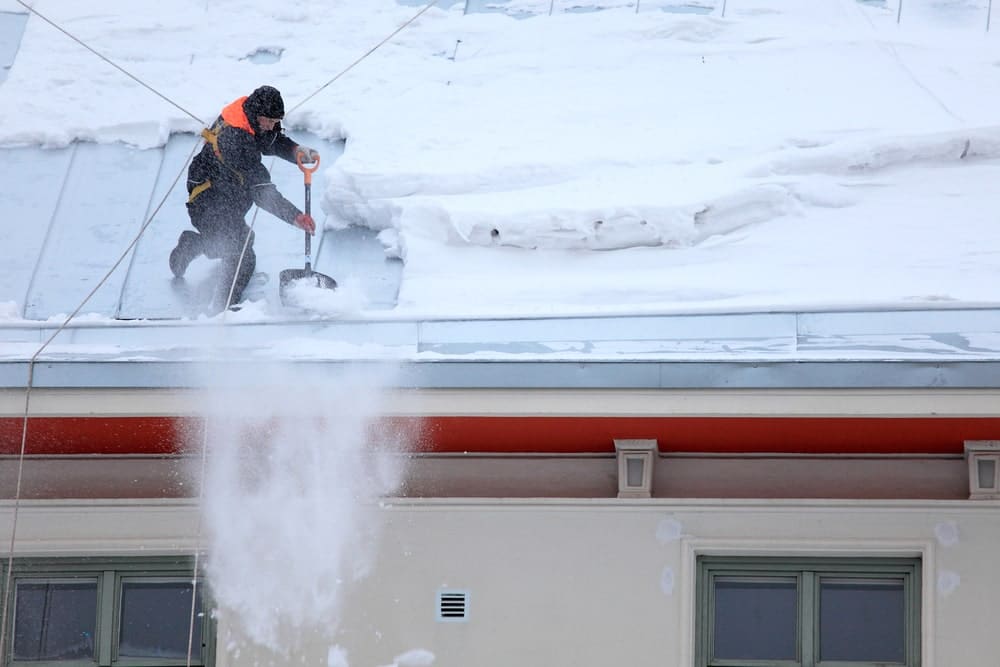
Watch for Attic Water Damage
Your attic may be out of sight, but it shouldn’t be out of mind. Watch for musty odors, stained wood, damp insulation, or mold growth, as these often indicate moisture problems that need attention. Catching these early signs of water damage can prevent small leaks from turning into major structural issues.
If you suspect attic water damage, addressing the source of the leak early can save you time, money, and stress, as well as protect the structural integrity of your home.